
We solve global problems
A Canadian research centre addressing urgent and complex global problems. We anticipate future crises and identify high-leverage interventions to change humanity's course for the better.
We solve global problems
A Canadian research centre addressing urgent and entangled global problems. We anticipate future crises and identify high-leverage interventions to change humanity's course for the better.
PROGRAMS





Research & Analysis
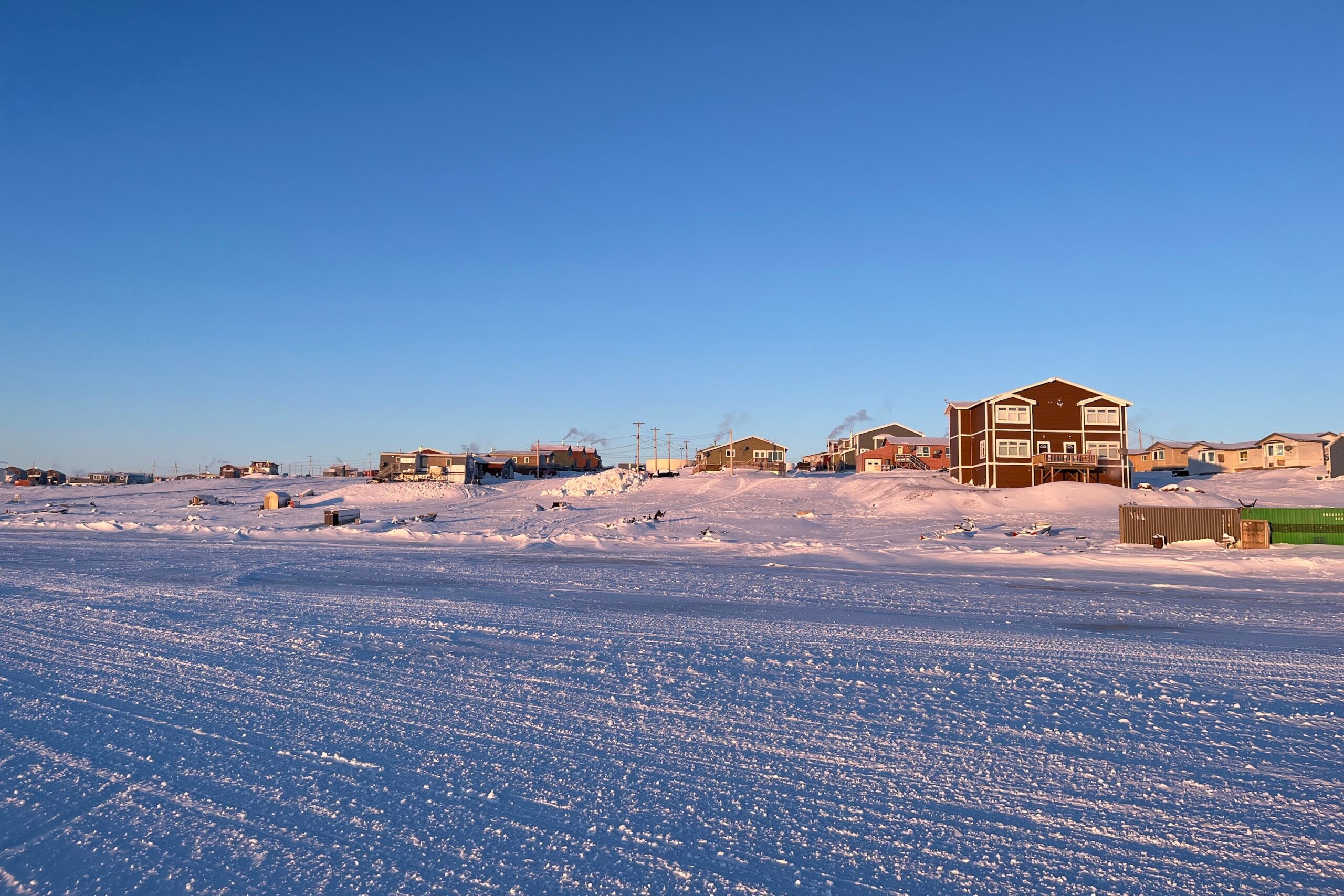
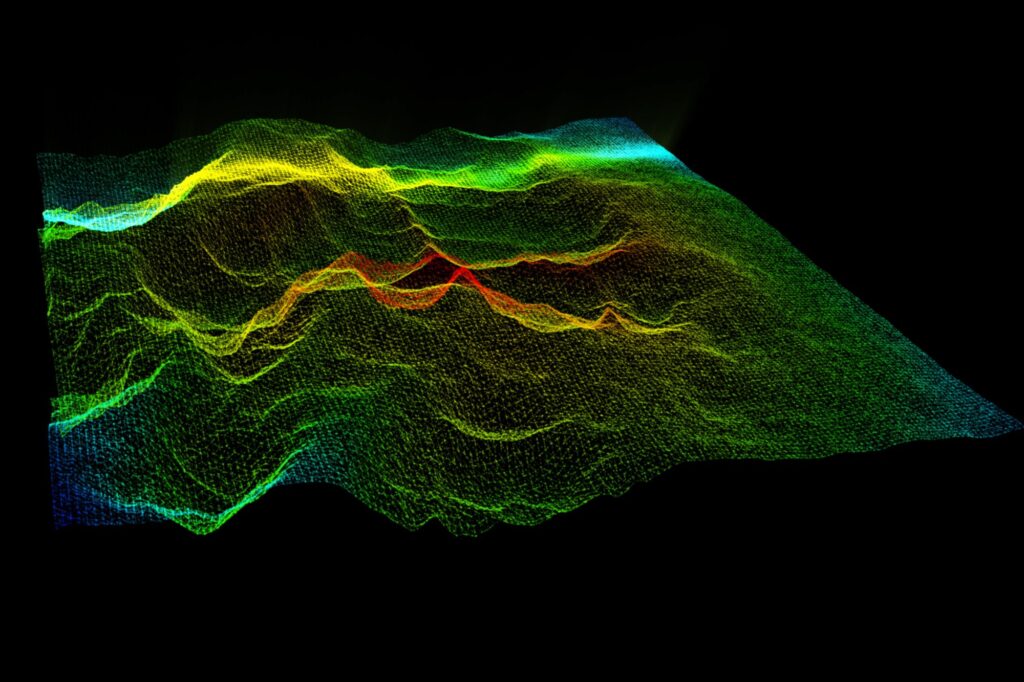
Geothermal Potential in Baker Lake, Nunavut
Ultradeep geothermal program
Ysaline Bacon
Research to support enhanced geothermal systems in Northern remote communities
Global Systemic Stresses: Understanding the drivers of polycrisis
Polycrisis program
Michael Lawrence, Megan Shipman, and Chris Collins
A Global Risk Institute research report of the longer-term systemic stresses driving the polycrisis.
Defending Canada’s Democracy: A strategic framework
Democracy program
Cascade Institute fellows and staff
An analysis of the forces destabilizing Canada's democracy and a framework for building the country’s economic and social resilience.
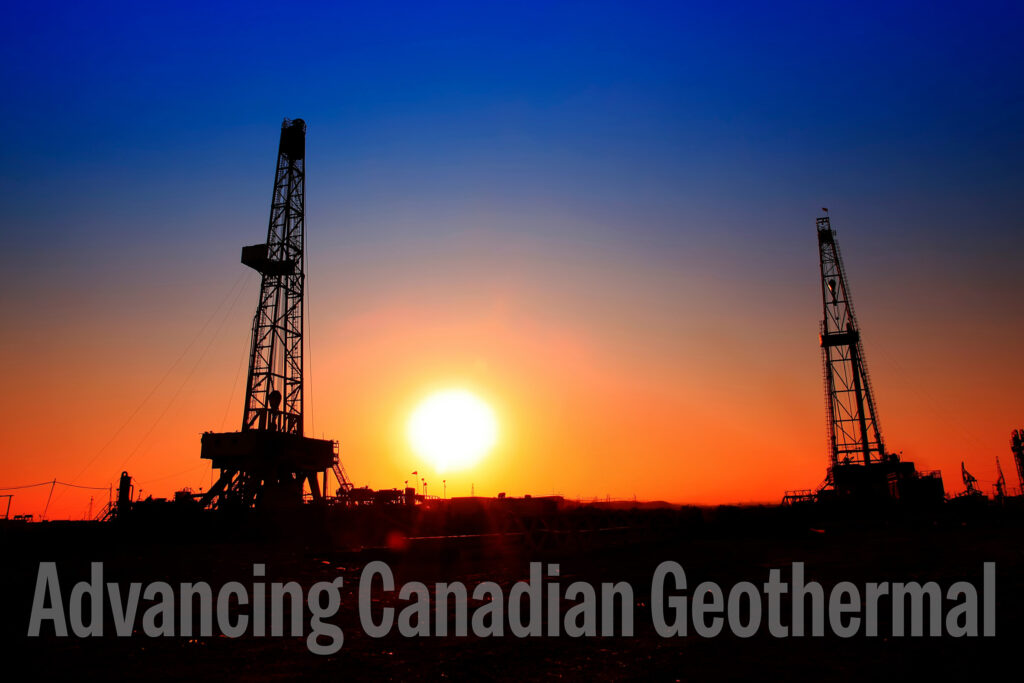
The Deep Heat Advantage
Ultradeep geothermal program
Gordon Brasnett, Megan Eyre, and Peter Massie
A techno-economic analysis of enhanced geothermal systems in western and northwestern Canada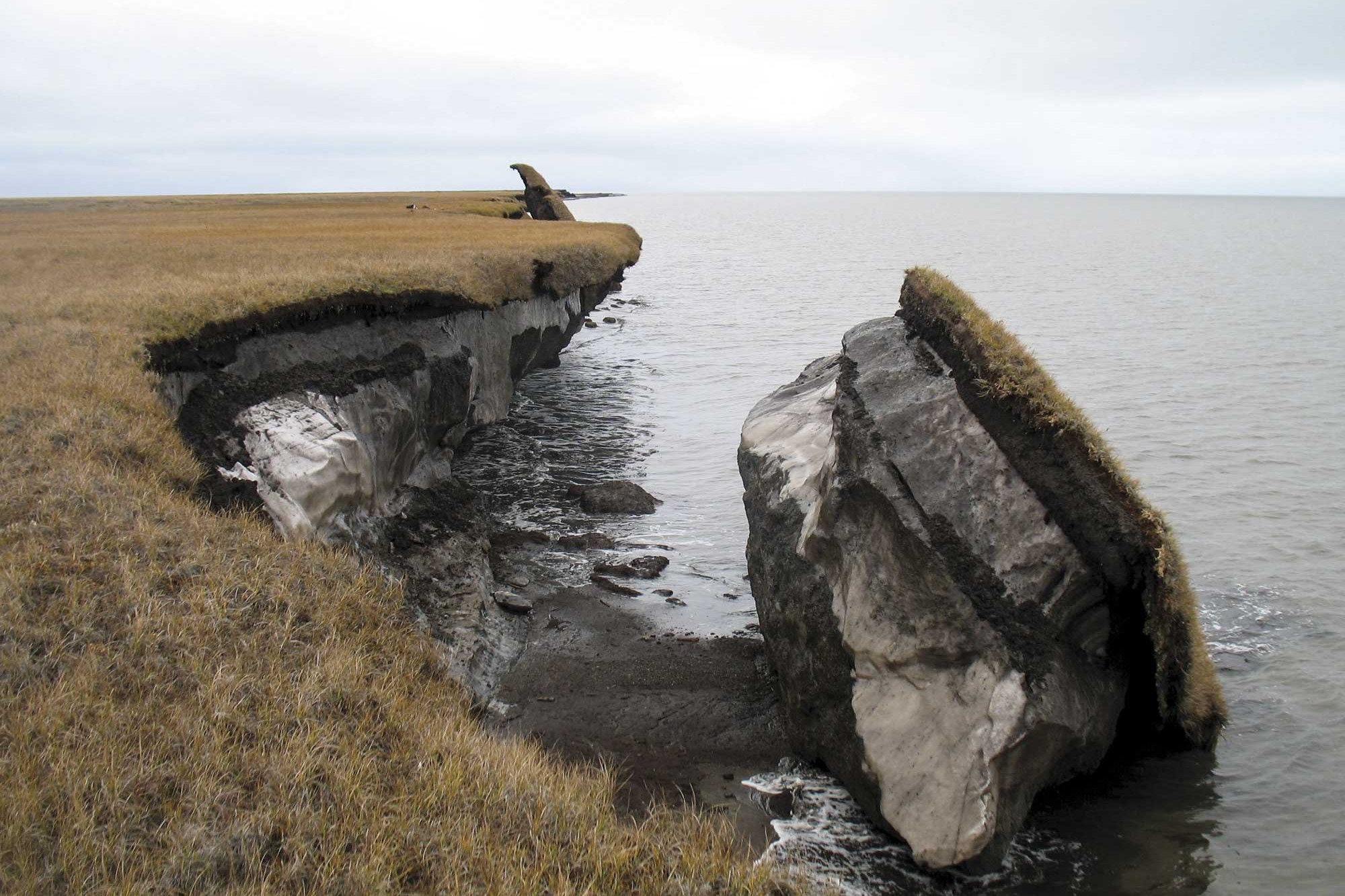
Protecting Permafrost: Addressing the climate threat of Arctic thaw
Permafrost carbon program
Ian Graham
A report assessing the climate threat of Arctic permafrost thaw, potential interventions to address it, and related policy recommendations.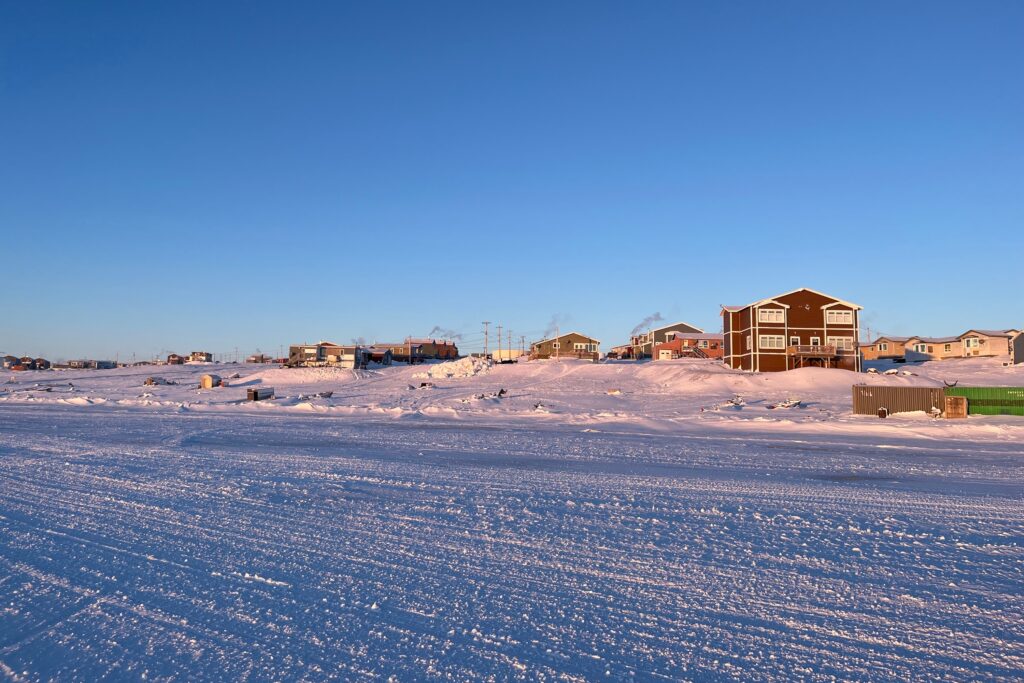
Geothermal Potential in Baker Lake, Nunavut
Ultradeep geothermal program
Ysaline Bacon
Research to support enhanced geothermal systems in Northern remote communities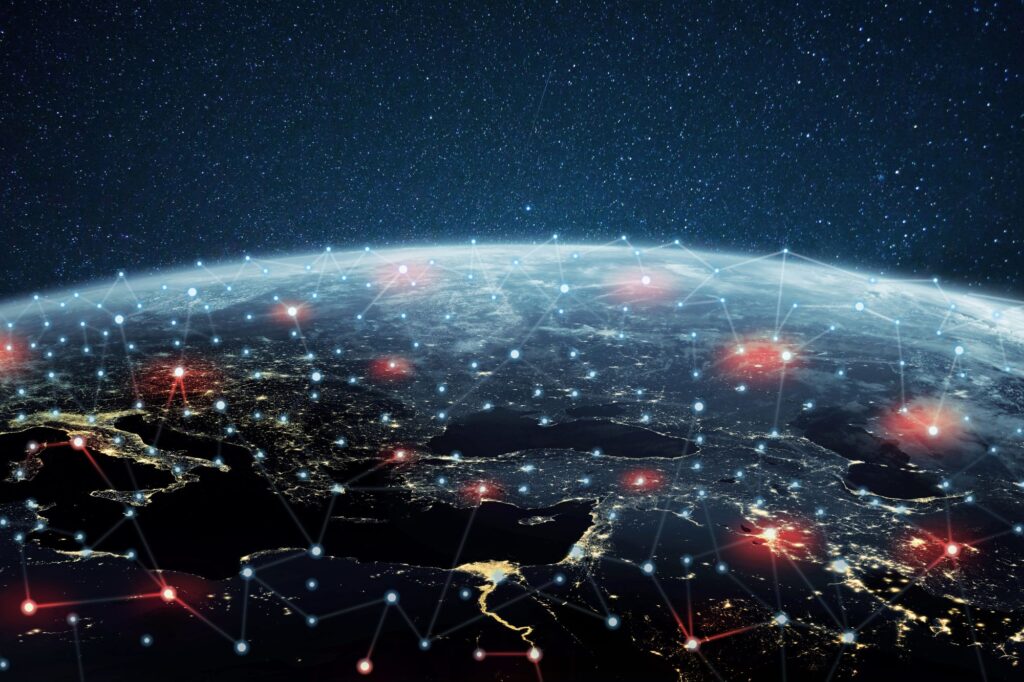
Global Systemic Stresses: Understanding the drivers of polycrisis
Polycrisis program
Michael Lawrence, Megan Shipman, and Chris Collins
A Global Risk Institute research report of the longer-term systemic stresses driving the polycrisis.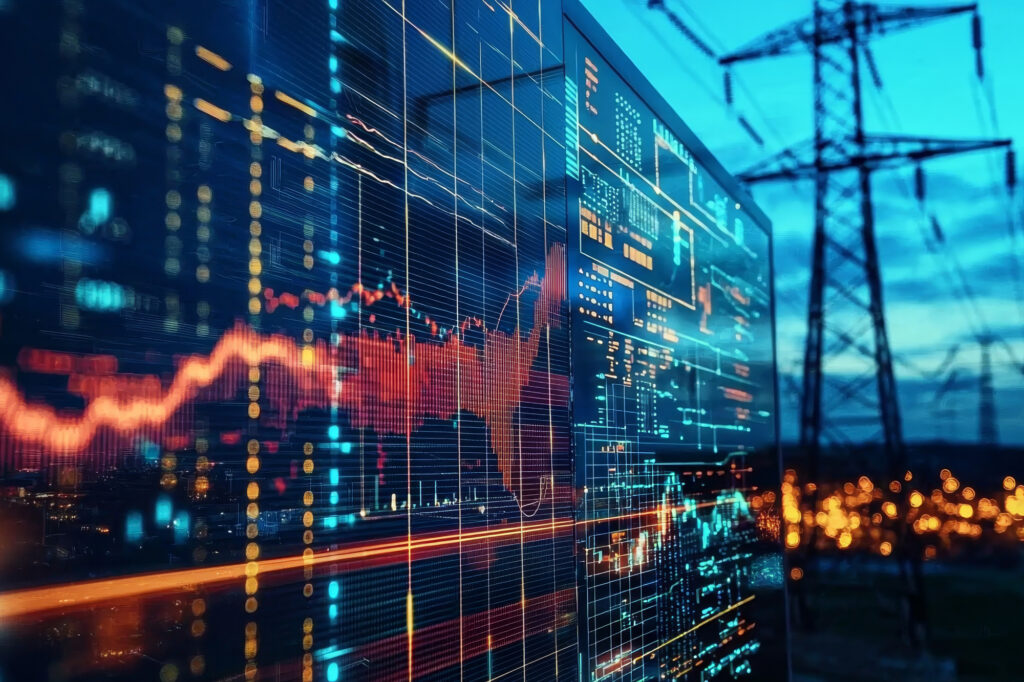
The Deep Heat Advantage
Ultradeep geothermal program
Gordon Brasnett, Megan Eyre, and Peter Massie
A techno-economic analysis of enhanced geothermal systems in western and northwestern Canada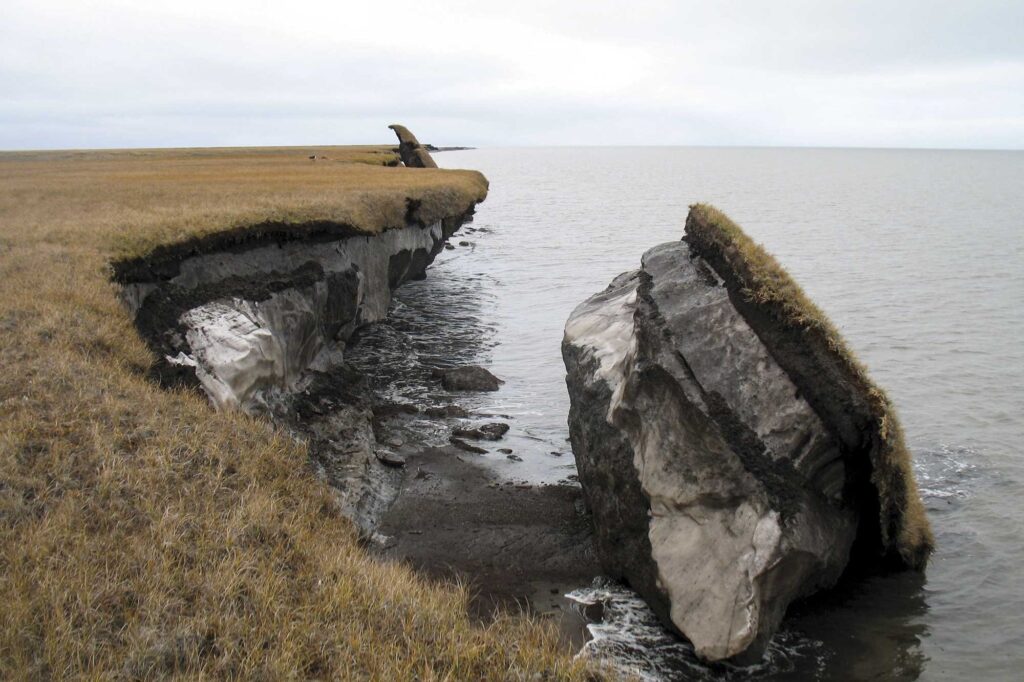
Protecting Permafrost: Addressing the climate threat of Arctic thaw
Permafrost carbon program
Ian Graham
A report assessing the climate threat of Arctic permafrost thaw, potential interventions to address it, and related policy recommendations.
Defending Canada’s Democracy: A strategic framework
Democracy program
Cascade Institute fellows and staff
An analysis of the forces destabilizing Canada's democracy and a framework for building the country’s economic and social resilience.News & Views

What we can learn about AI from Moltbook
Christopher Collins and Matt Boulous
The Globe and Mail
Moltbook’s wild experiment is a warning that the most imminent threat is chaos and lack of accountability.

Welcome to the Polycene
Thomas Friedman
The New York Times
The Polycene, Friedman writes, “will be the first era in which humanity must govern, innovate, collaborate and coexist at a planetary scale in order to thrive.”

How the polycrisis is making young people Canada’s unhappiest generation
Nicole Thompson
The Canadian Press
Experts including Cascade Institute fellow Megan Shipman explain how Canadian youth are particularly affected by the Polycrisis.
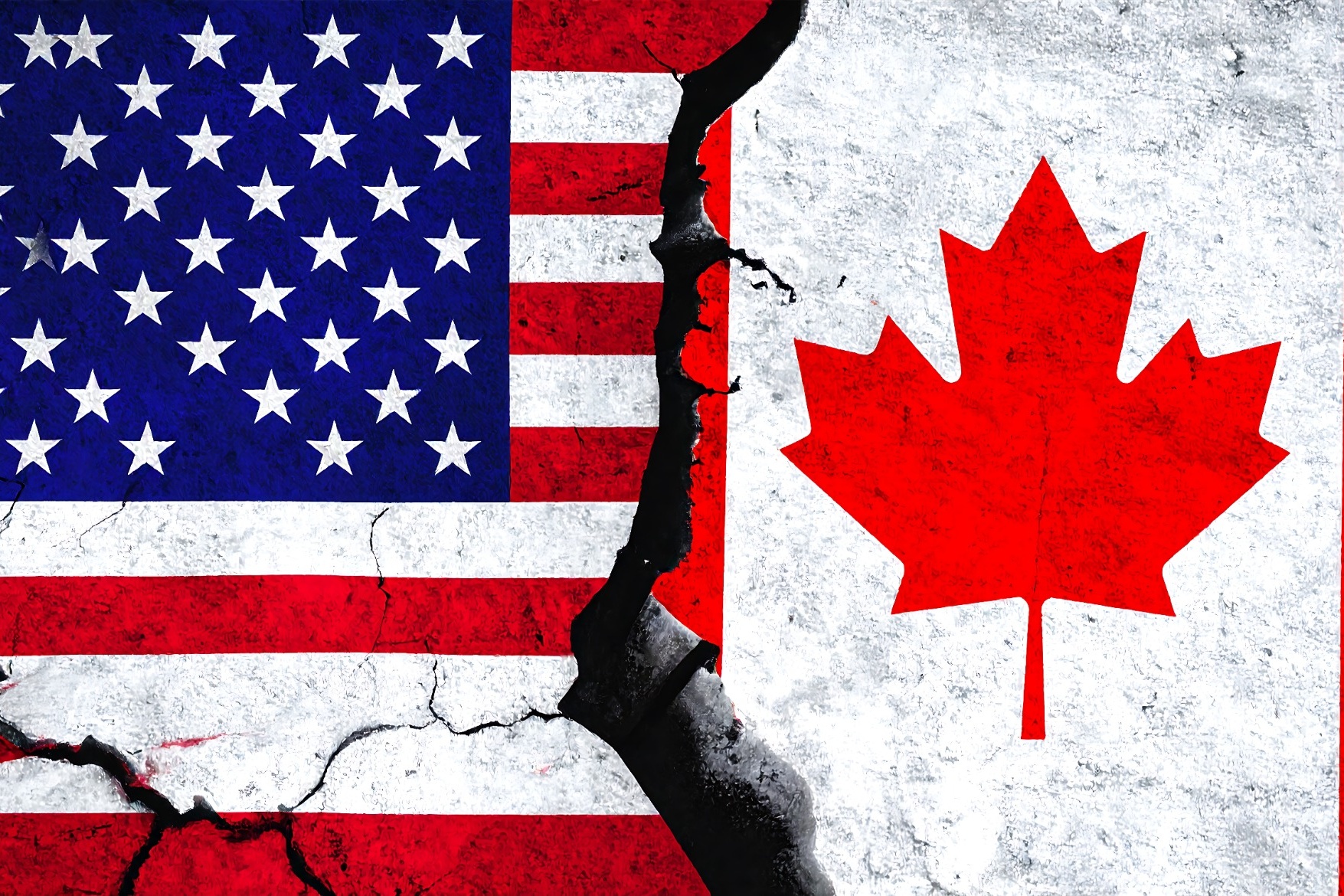
Canada must consider the risk of U.S. coercion
Thomas Homer-Dixon and Adam Gordon
The Globe and Mail
Canadians must confront the new reality that the U.S. could use military coercion against Canada, argues a Globe and Mail op-ed co-authored by Cascade Institute Executive Director Thomas Homer-Dixon and Adam Gordon, an affiliated Cascade researcher and former legal adviser to Canada’s Minister of Foreign Affairs.
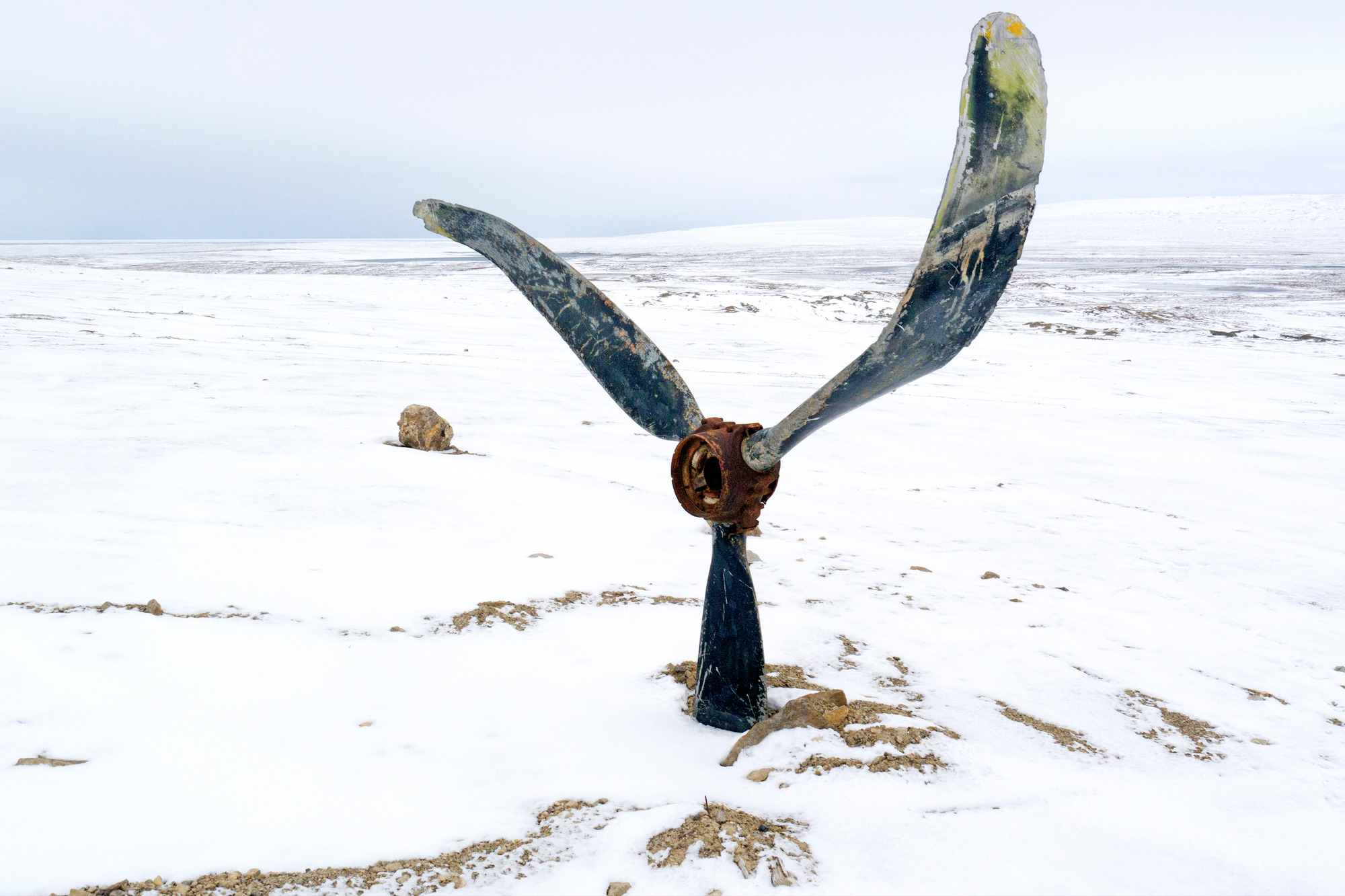
Geothermal power is the key to cheaper energy in the Canadian Arctic
Gordon Brasnett, Leighton Gall, and Peter Massie
The Globe and Mail
To defend its sovereignty, Canada should launch Project AURORA – the Arctic Underground Research Observatory for Resource Advancement.
AI disruption points to higher taxes on big tech
Christopher Collins and Matt Gerken
Investment Week
AI’s disruption of jobs will spur governments to raise taxes on Big Tech to support displaced workers.

Would you die for Canada? Polling suggests Canadians are more willing to fight for their country
Thomas Homer-Dixon and Toby Shannan
The Globe and Mail
Polling data shows most Canadians are willing to fight to defend their country against military attack.
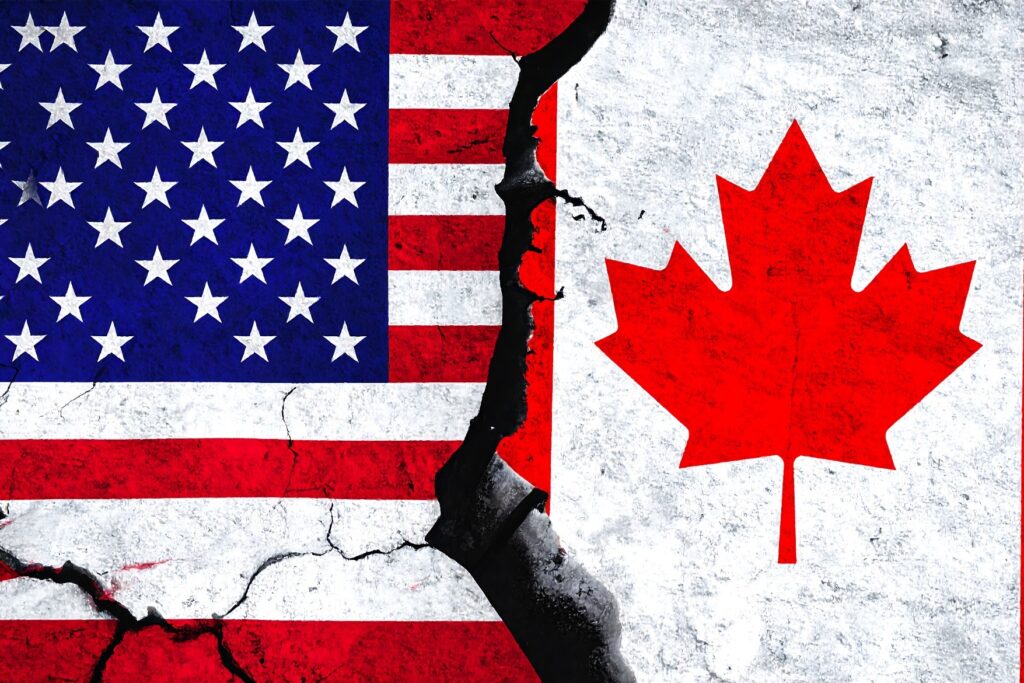
Canada must consider the risk of U.S. coercion
Thomas Homer-Dixon and Adam Gordon
The Globe and Mail
Canadians must confront the new reality that the U.S. could use military coercion against Canada, argues a Globe and Mail op-ed co-authored by Cascade Institute Executive Director Thomas Homer-Dixon and Adam Gordon, an affiliated Cascade researcher and former legal adviser to Canada’s Minister of Foreign Affairs.

Welcome to the Polycene
Thomas Friedman
The New York Times
The Polycene, Friedman writes, “will be the first era in which humanity must govern, innovate, collaborate and coexist at a planetary scale in order to thrive.”

How the polycrisis is making young people Canada’s unhappiest generation
Nicole Thompson
The Canadian Press
Experts including Cascade Institute fellow Megan Shipman explain how Canadian youth are particularly affected by the Polycrisis.

AI disruption points to higher taxes on big tech
Christopher Collins and Matt Gerken
Investment Week
AI’s disruption of jobs will spur governments to raise taxes on Big Tech to support displaced workers.
